
Remote CranioSacral Therapy
A subtle, distance-based approach to nervous system regulation
Remote CranioSacral Therapy combines principles of Craniosacral Therapy and biofield-informed approaches. It is a gentle, non-invasive modality that supports balance and regulation within the nervous system without physical contact. Sessions are conducted at a distance, allowing the body’s innate intelligence to respond in its own environment, at its own pace.
This work engages the craniosacral system—the interconnected network involving the central nervous system, cerebrospinal fluid rhythms, connective tissues, and regulatory processes—through focused awareness, intentional presence, and refined attunement rather than manual touch.
The Biofield and Contemporary Models of Coherence and Regulation
The Biofield Perspective
The biofield refers to a subtle field of energy and information that surrounds and permeates the human body and plays a regulatory role in biological, emotional, and neurological processes. It is understood as an organized, dynamic system that interacts with cellular activity, nervous system function, and physiological regulation.
The U.S. National Institutes of Health (NIH) describes the biofield as a massless field that extends within and beyond living organisms and plays a role in health and well-being.
Rather than being a belief-based concept, the biofield is used here as a functional framework to understand how internal states of balance or imbalance may be reflected throughout the body.
Contemporary Perspectives on Coherence and Complex Living Systems
Modern scientific models describe living organisms as complex, open systems that are highly sensitive to informational organization, coherence, and relational dynamics. Within these models, biological systems are understood to be influenced not only by mechanical inputs, but also by patterns of regulation, synchronization, and adaptive response.
Concepts such as coherence, resonance, and informational organization—frequently discussed in contemporary physics and systems science—offer a theoretical language for understanding how regulation may occur across multiple levels of a living system without requiring direct mechanical interaction.
This perspective does not imply that therapeutic work applies quantum physics directly, nor that the human body functions as a quantum experiment. Instead, it provides a broader conceptual context for understanding regulation, coherence, and adaptive self-organization in complex biological systems.
Where These Perspectives Meet
From an integrative view:
- Biological electromagnetic fields generated by the heart, brain, nervous system, and cellular membranes play an organizing role in physiological regulation.
- Coherence appears in biology as synchronization, rhythm, and functional order within systems.
- Changes in informational organization may precede observable physiological shifts.
From this view, the biofield functions as a regulatory interface, linking molecular, cellular, and systemic processes within the human organism.
This framework complements—rather than replaces—conventional medical and psychological models.
How the Biofield Is Addressed in Practice
From a clinical and integrative perspective, working with the biofield involves careful observation and support of subtle physiological signals. These may present as changes in nervous system responsiveness, breathing patterns, emotional tone, tissue quality, or overall system coherence.
Practitioners trained in biofield-informed work use refined sensory awareness, attention, and intentional presence to recognize areas where regulation appears compromised. The goal is not to manipulate or impose change, but to support the body’s inherent capacity to reorganize itself toward balance.
How Remote CranioSacral Therapy Works
The craniosacral system expresses a subtle rhythmic movement that reflects the state of the nervous system. This rhythm responds not only to physical input, but also to states of safety, regulation, and coherence.
In remote sessions, Erica works through intentional presence and refined listening to support the system in recognizing areas of imbalance or restriction. The body responds by initiating its own corrective processes—often through shifts in sensation, breath, emotional tone, or overall state of calm.
No physical manipulation is required.
The work unfolds through the body’s natural capacity for self-regulation.
Trauma, Stress, and the Nervous System
Physical injury, emotional stress, and unresolved experiences can disrupt the natural flow of regulation within the nervous system. When this occurs, the system may compensate by creating protective patterns—such as tension, restriction, or energetic holding—in an effort to maintain stability.
Over time, these adaptations may contribute to discomfort, fatigue, emotional overwhelm, or a persistent sense of imbalance.
Remote CranioSacral Therapy supports the system in gently releasing these patterns, allowing regulation to re-emerge without force or reactivation.
What You May Experience During a Remote Session
Each session is unique. Experiences vary depending on the individual and the system’s readiness.
Some people notice:
- A deep sense of relaxation or stillness
- Subtle physical sensations such as warmth, movement, or release
- Emotional awareness or gentle emotional shifts
- A sense of grounding or mental clarity
- Improved sleep or nervous system settling following sessions
Others may simply feel more regulated and centered over time as integration occurs.
The work is quiet, respectful, and non-invasive.
Supporting the Central Nervous System at a Distance
Because CranioSacral Therapy works directly with the central nervous system—the body’s primary regulator—it supports the system’s ability to adapt, recover, and maintain balance.
By creating conditions of safety and coherence, the nervous system can rest and reorganize. Distance does not diminish the effectiveness of the work. In many cases, clients find that being in their own space enhances receptivity and integration.
Concerns Commonly Supported
Remote CranioSacral Therapy may be supportive for individuals experiencing:
- Chronic stress or nervous system overload
- Headaches or migraines
- Jaw tension or TMJ-related discomfort
- Neck and back tension
- Sleep disturbances
- Emotional stress or burnout
- Post-injury or post-surgical recovery support
- Trauma-related nervous system dysregulation
- Fatigue or reduced resilience
This work is complementary and does not replace medical care.
A Gentle, Non-Directive Process
Remote CranioSacral Therapy is not about forcing change. It is about listening, allowing, and supporting the body’s natural capacity to restore balance.
Sessions are paced carefully, honoring the system’s signals and limits. The intention is to create space for regulation to emerge without effort or strain.
Working with Erica
Erica offers Remote CranioSacral Therapy sessions in a calm, focused setting that prioritizes safety, presence, and integration.
Sessions are conducted remotely, allowing you to receive the work from the comfort of your own space. No special preparation is required beyond setting aside quiet time and a place to rest during the session.
Remote CranioSacral Therapy is an invitation to support your nervous system gently—allowing balance, clarity, and regulation to unfold naturally.
Frequently Asked Questions – Remote CranioSacral Therapy
Are CranioSacral Therapy sessions offered remotely?
Yes. All CranioSacral Therapy sessions with Erica are offered exclusively in a remote format. The work does not require physical contact and is designed to support nervous system regulation at a distance.
How can CranioSacral Therapy work without touch?
Remote CranioSacral Therapy works through focused awareness, intentional presence, and nervous system attunement rather than manual manipulation. The nervous system responds not only to physical input, but also to states of safety, coherence, and regulation.
The body initiates its own corrective responses when the appropriate conditions are present.
What is the biofield, and how is it used in this work?
The biofield refers to a subtle field of energy and information associated with biological and physiological regulation. In this work, it is used as a functional framework—not a belief system—to understand how regulation or imbalance may be reflected across the nervous system and the body.
The focus remains clinical, observational, and integrative.
Do I need to believe in energy work for this to be effective?
No. Belief is not required. This work can be understood through physiological, neurological, or integrative perspectives. The effectiveness of the session depends on regulation and integration, not belief.
What does a remote session feel like?
Experiences vary. Some people notice deep relaxation, subtle physical sensations, emotional settling, or mental clarity. Others experience changes more gradually over time as the nervous system integrates.
The work is quiet, gentle, and non-invasive.
Is this therapy intense or emotionally overwhelming?
No. Remote CranioSacral Therapy is intentionally non-directive and carefully paced. The goal is not catharsis or intensity, but regulation and stability.
Sessions are guided to avoid nervous system overload.
Can this help with trauma or chronic stress?
Yes. This work is often used as a supportive complement for individuals experiencing chronic stress, trauma-related nervous system dysregulation, or difficulty settling into a regulated state.
It does not replace trauma therapy, but it can support the nervous system in becoming more receptive to healing.
How many sessions will I need?
The number of sessions varies by individual. Some people notice shifts early on, while others benefit from ongoing sessions over time.
Because this work supports nervous system reorganization rather than symptom suppression, lasting change often unfolds gradually through consistency and integration rather than quick results.
Is Remote CranioSacral Therapy safe?
When guided with appropriate pacing and nervous system awareness, Remote CranioSacral Therapy is considered a gentle and supportive modality. Erica prioritizes safety, presence, and regulation throughout every session.
Is this a replacement for medical care?
No. Remote CranioSacral Therapy is complementary and does not replace medical, psychological, or psychiatric treatment. It can be integrated alongside other forms of care.
How should I prepare for a remote session?
Preparation is simple:
- Choose a quiet, comfortable space
- Ensure privacy and minimal interruptions
- Allow time after the session for rest or integration
No special equipment or prior experience is required.
Who is this work best suited for?
Remote CranioSacral Therapy may be especially supportive for individuals who:
- Experience chronic stress or nervous system overload
- Have difficulty relaxing or settling
- Are seeking gentle, non-invasive support
- Prefer remote sessions over in-person work
Duration: 1 Hour
Location: Online (via Zoom)
Investment: $180
How to pay: Secure your spot by completing the payment after booking.
Need to cancel? No worries! Just let me know 48 hours before our session to get a refund or move the date.
Heads up: If you’re running late, we’ll still need to finish at the scheduled time.
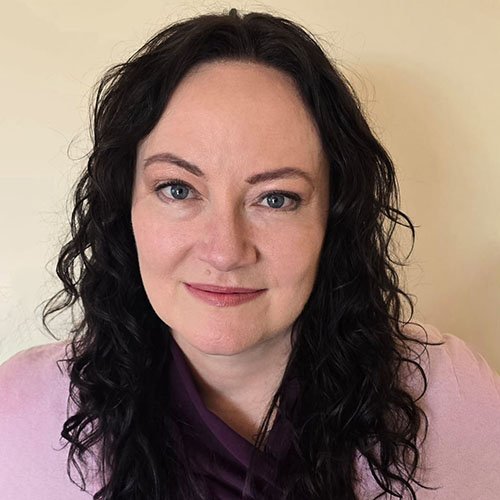
Erica L. Eickhoff
LMT, SEP, CMP-HFC, NMT, CLT
Based on the principle that energy and intention transcend physical space, Erica offers remote sessions that maintain the same depth and effectiveness as in-person work. Through subtle attunement and a compassionate presence, these sessions facilitate nervous system regulation and energetic harmonization, providing support, clarity, and healing regardless of the client’s geographic location.