

Inner Child Regression
A therapeutic approach to healing early emotional imprints
Inner Child Regression is a therapeutic process that supports the healing and integration of early life experiences that continue to shape emotional responses, beliefs, and relational patterns in adulthood.
During childhood, the nervous system is highly receptive. Experiences—both nurturing and distressing—are absorbed deeply, often before we have the language or cognitive capacity to understand them. The meanings we assign during these early moments can quietly influence how we see ourselves, relate to others, and navigate the world later in life.
Inner Child Regression offers a safe and guided way to access these formative experiences and bring them into conscious awareness, where healing and integration can occur.
All sessions are offered remotely, allowing the work to unfold gently within the comfort and safety of your own environment.
How Early Experiences Shape Adult Patterns
As children, we interpret the world through sensation and emotion. We learn who we are, what is safe, what is expected of us, and how love or connection is maintained. These interpretations often become unconscious beliefs such as:
- “I have to be perfect to be accepted”
- “My needs are too much”
- “It is not safe to express emotion”
- “I must stay alert to avoid being hurt”
Although these beliefs once served as protective strategies, they may continue to operate long after they are no longer necessary—affecting relationships, self-worth, boundaries, and emotional regulation.
Inner Child Regression gently brings these patterns into awareness so they can be understood, updated, and released.
Working with the Inner Child Through the Nervous System
Inner Child Regression is not about revisiting the past emotionally or reliving painful memories. Instead, it is a regulated, body-aware process that works with both memory and nervous system responses.
Through guided exploration, the system is supported in:
- Recognizing unmet needs from early development
- Releasing emotional charge stored in the body
- Completing interrupted stress responses
- Restoring a sense of internal safety and support
This allows the adult self to relate to early experiences with compassion rather than judgment, and with choice rather than reactivity.
Healing Without Blame or Re-Traumatization
This work does not focus on assigning blame to caregivers or circumstances. The emphasis is on understanding how the system adapted in order to survive and how those adaptations may now be limiting.
By acknowledging the intelligence of these early strategies, the body and psyche can relax their grip on outdated patterns. Healing unfolds through integration—not through force or emotional overwhelm.
Clients often report a sense of relief, clarity, and emotional softness as long-held tension begins to resolve.
Benefits of Inner Child Regression
Inner Child Regression may support individuals in:
- Releasing long-standing emotional patterns
- Developing healthier boundaries
- Reducing anxiety and emotional reactivity
- Improving self-worth and self-trust
- Healing relational dynamics rooted in childhood
- Increasing emotional presence and resilience
- Feeling more grounded and “at home” in the body
- Cultivating self-compassion and inner stability
Each session unfolds uniquely, guided by the individual’s system and readiness.
Integration and Ongoing Growth
Inner Child Regression is not a one-time “fix,” but part of an ongoing process of self-integration. As early emotional layers are acknowledged and resolved, many people experience greater ease in relationships, clearer communication, and a more stable connection to themselves.
This work supports the integration of past experience into present awareness—allowing life to be lived from choice rather than unconscious pattern.
Working with Erica
Erica offers Inner Child Regression sessions in a supportive, grounded environment that prioritizes safety, pacing, and nervous system regulation.
Sessions are guided with care and respect for each individual’s history and capacity. No prior experience with regression work is required—only a willingness to explore with curiosity and openness.
Inner Child Regression is an invitation to reconnect with the parts of yourself that learned to survive early on—and to offer them the support they may not have received at the time.
Frequently Asked Questions – Inner Child Regression
Are Inner Child Regression sessions offered remotely?
Yes. All Inner Child Regression sessions are offered exclusively in a remote format. Working remotely allows clients to remain in a familiar, regulated environment, which often supports emotional safety and integration.
What is Inner Child Regression?
Inner Child Regression is a therapeutic process that supports the exploration and integration of early childhood experiences that continue to influence emotional responses, beliefs, and relational patterns in adulthood.
The work focuses on awareness and nervous system regulation rather than reliving the past.
Is this the same as “inner child work” in popular psychology?
No. This approach goes beyond conceptual or visualization-based inner child work. Inner Child Regression works with subconscious and somatic memory, supporting integration at the nervous system level.
Do I need to remember specific childhood events for this to work?
No. The process does not depend on conscious memory. Early experiences are often stored as sensations, emotions, or patterns rather than clear narratives.
The body leads the process.
Will I relive painful childhood experiences?
No. Sessions are guided carefully to avoid re-traumatization. The intention is not to relive pain, but to support regulation, safety, and integration.
You remain present and aware throughout the session.
How is Inner Child Regression different from Natal / Birth Regression?
Inner Child Regression focuses on experiences that occurred after birth, typically during early childhood, when emotional and relational patterns begin to form.
Natal / Birth Regression works with preverbal experiences from conception, gestation, and birth.
What kinds of issues can Inner Child Regression support?
This work may support individuals experiencing:
- Recurrent emotional triggers
- Difficulty with boundaries or self-worth
- Relationship patterns rooted in early life
- Emotional reactivity or shutdown
- A sense of being unseen or unsupported
Each session unfolds uniquely.
Is Inner Child Regression emotionally intense?
It can be emotionally meaningful, but it is not designed to be overwhelming. Sessions are paced according to nervous system capacity, with grounding and regulation prioritized throughout.
How many sessions will I need?
The number of sessions varies from person to person, as Inter-Life work is influenced not only by the experience itself, but by the broader context of an individual’s life history, nervous system organization, and early developmental patterns.
For many people, Inter-Life Regression is most effective when it is approached as part of a longer integrative process rather than as a single, isolated session. While some individuals gain valuable insight early on, deeper clarity and embodiment often require time, reflection, and continued nervous system regulation—especially when early trauma or childhood adaptations are part of the overall picture.
This work unfolds gradually, as insights from Inter-Life experiences are integrated into emotional, relational, and somatic layers of the system. There is no fixed protocol or timeline. Sustainable change emerges through patience, consistency, and a willingness to work with the full context of one’s experience, not just the transpersonal material.
Is this therapy safe?
When facilitated with nervous system awareness and careful pacing, Inner Child Regression is considered a gentle and supportive approach. Erica prioritizes safety, grounding, and integration.
Can Inner Child Regression help with adult relationships?
Yes. Early childhood experiences often shape how we relate to others. As these patterns are integrated, many people notice changes in boundaries, communication, and emotional availability.
How do I prepare for an Inner Child Regression session?
Preparation is simple:
- Choose a quiet, comfortable space
- Ensure privacy
- Allow time afterward for rest or reflection
No prior experience is required.
Who is this work best suited for?
Inner Child Regression may be especially supportive for individuals who sense that some emotional patterns began in early childhood and have not shifted through insight alone.
How do I schedule a session?
To begin, clients are encouraged to schedule a Regression Therapy session rather than selecting a specific modality upfront.
All regression work starts from the same entry point. During the initial sessions, Erica takes time to understand your history, nervous system patterns, early life experiences, and current needs. From there, a personalized plan of action is created.
This plan may include Inter-Life Regression, but it is rarely limited to a single modality. Depending on what emerges, the process may also integrate other therapeutic approaches such as Inner Child work, Natal / Birth Regression, somatic regulation, or complementary nervous system support.
The intention is not to fit you into a technique, but to respond to what your system actually needs for meaningful and sustainable integration.
BOOK YOUR REGRESSION THERAPY
Duration: 2 Hours
Location: Online (via Zoom)
Investment: $360
How to pay: Secure your spot by completing the payment after booking.
Need to cancel? No worries! Just let me know 48 hours before our session to get a refund or move the date.
Heads up: If you’re running late, we’ll still need to finish at the scheduled time.
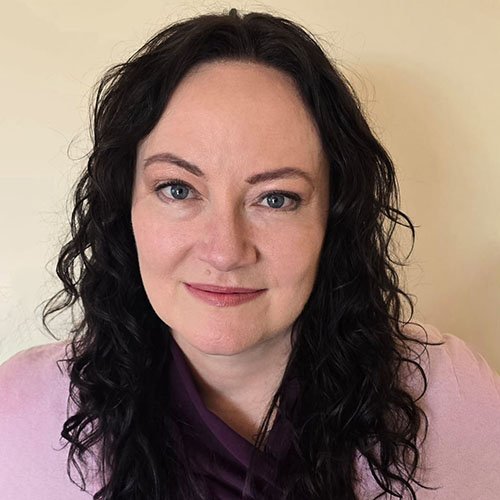
Erica L. Eickhoff
CCHt, CHPLR, CMS-CHt
Through regression therapy, Erica facilitates a space for deep exploration to identify and process the origins of emotional blocks or repetitive patterns residing in the subconscious. By accessing these memories from a state of presence and safety, past experiences can be integrated, transforming old wounds into sources of insight and freedom in the present.
Regression Therapy Specialties:
Certified Past-Life Regression Therapist
Certified Natal/Birth Regression Therapist
Certified Inner Child Regression Therapist
Certified Inter-life Regression Therapist
Somatic Regression Therapy